






















Dubai’s sports landscape is entering a new phase—one where world-class facilities are no longer judged only by their size, technology or range of amenities, but by the experiences and communities they create.
For years, sports venues have measured success through memberships, attendance, utilisation and revenue. While these indicators remain important, the most successful destinations are increasingly defined by something less tangible: whether people feel connected, welcomed and motivated to return.
From Sports Facilities to Community Destinations
Modern sports centres are becoming much more than places to exercise. They are evolving into destinations where families spend time together, children discover new interests, professionals unwind and communities form lasting connections.
A welcoming reception, an encouraging coach or a staff member who remembers a visitor’s name can have as much impact as the latest equipment. These everyday interactions help create a sense of belonging—something that can turn a one-time visitor into a loyal member and active community participant.
This shift reflects a broader change in consumer expectations. People are no longer simply looking for access to courts, gyms or training areas. They want engaging experiences and environments where sport becomes part of their lifestyle.
Dubai Is Well Positioned for the Next Era of Sport
Dubai has established itself as a major international sports destination, attracting global events, elite athletes and significant investment in sporting infrastructure.
The city’s next opportunity is to build on that foundation by creating sports destinations that combine high-quality facilities with wellness, entertainment, family activities and community engagement.
This approach can make sport more accessible to people of different ages, interests and abilities while encouraging healthier and more active lifestyles.
AllSports Arena Reflects the Changing Model
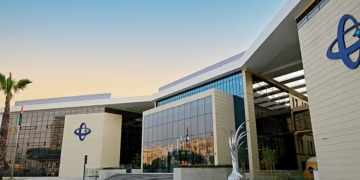
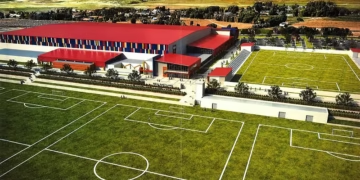
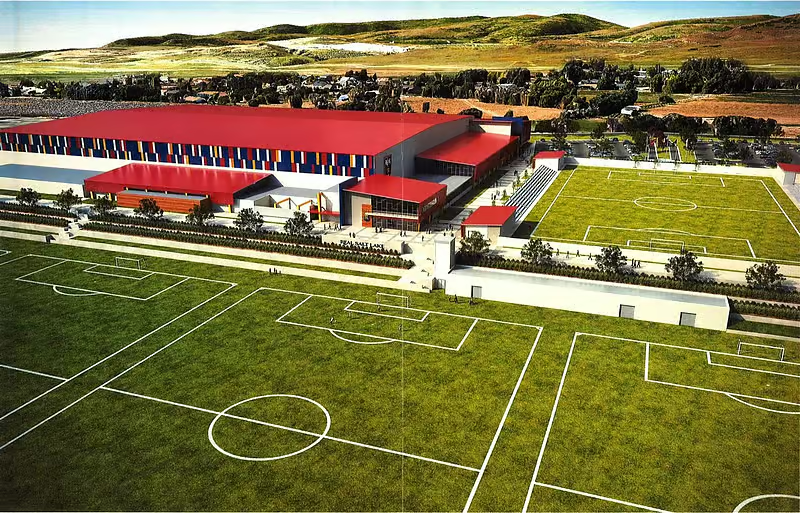
At Galadari Brothers’ AllSports Arena in Dubai, the concept of a modern sports destination brings together a broad range of activities under one roof.
The venue offers experiences spanning football, padel, swimming, squash, climbing, gymnastics, fitness, wellness and recovery. Its scale provides visitors with multiple ways to participate in sport, whether they are experienced athletes, beginners, families or people simply looking for an active way to spend their free time.
But the significance of such a destination extends beyond the facilities themselves. Its real value lies in creating opportunities for people to meet, participate, learn and build relationships through sport.
Why Experience Matters
The future of sports business may depend increasingly on how effectively venues create memorable experiences.
Infrastructure and technology remain essential, but they work best when supported by a strong culture. A venue can have impressive facilities, yet still struggle to build loyalty if visitors do not feel valued.
On the other hand, a strong sense of community can encourage people to return, recommend a venue to friends and make sport a regular part of their lives.
That is why commercial success in the modern sports sector is increasingly connected to service and experience. Instead of simply selling access, successful destinations focus on creating value for the people who use them.
The Future Is About People
The strongest sports destinations will not necessarily be remembered for their square footage or the number of facilities they contain. They will be remembered for the people they bring together and the experiences they create.
For Dubai, this represents an opportunity to strengthen its position as a global sports hub while promoting healthier, more connected communities.
The future of sport is therefore not just about building bigger or better facilities. It is about creating destinations that inspire participation, encourage connection and become meaningful parts of everyday life.