


























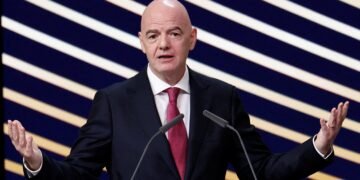



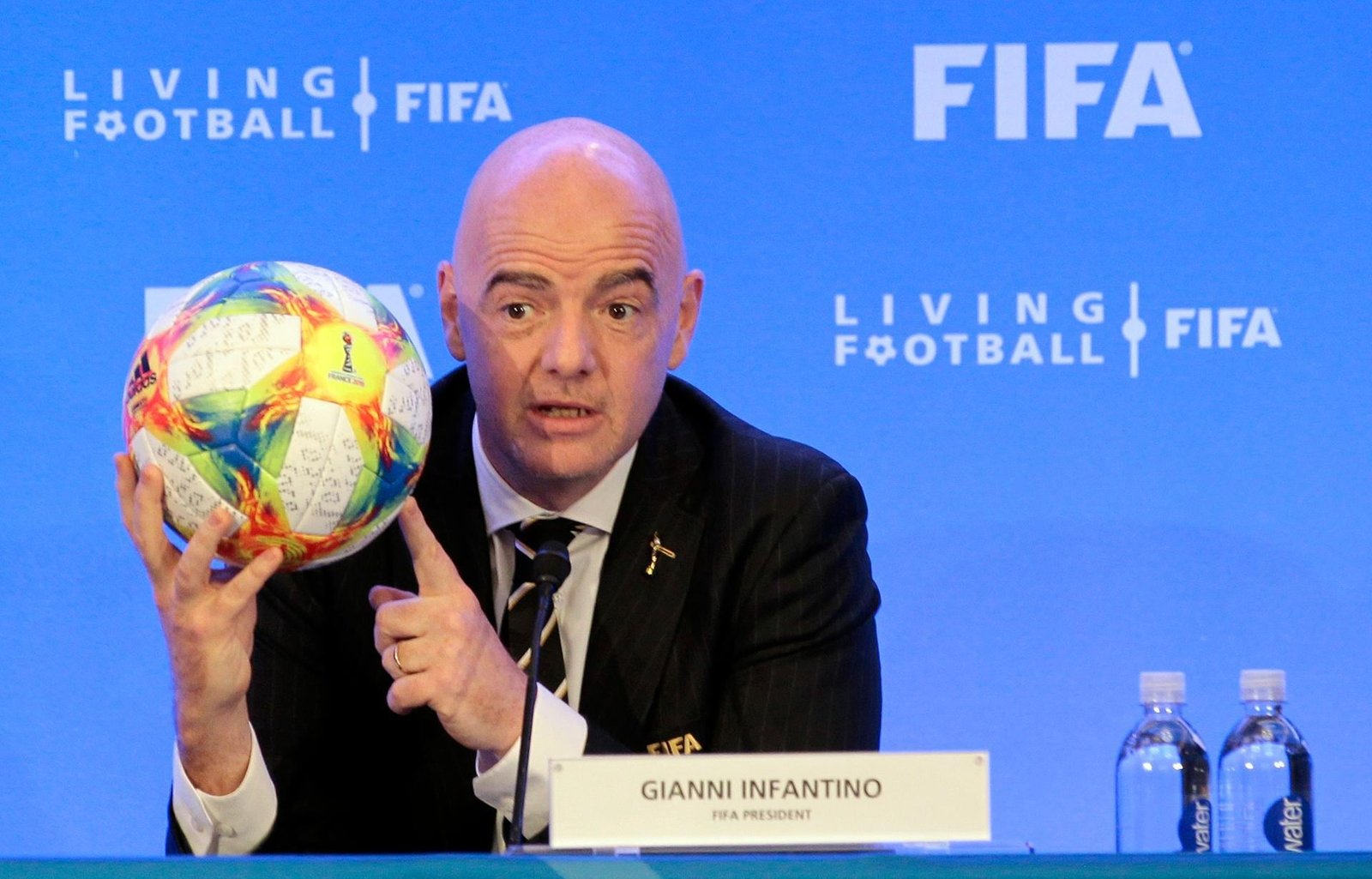
UEFA ambassadors and officials gathered in Brussels this week to denounce FIFA’s perceived financial opportunism as the World Cup bidding process faces growing criticism worldwide. The association released a statement accusing FIFA of “enriching themselves and their friends” through the strategic sell‑off of hosting rights and revenue streams.
In a broader context, FIFA’s decision to off‑load the 2034 edition of the tournament to a new consortium has sparked debate about the commercialisation of elite soccer. The sell‑off sparked concerns that priority could shift from sporting merit to profit, with several national associations questioning the fairness of the selection process.
Why it matters
For the Gulf region, the dispute carries direct implications. Sponsorship contracts, broadcasting rights, and club investment models hinge on the stability of global football governance. Dubai’s own football clubs and the national leagues rely on an evenly distributed international football calendar to attract talent and viewers. Additionally, the region hosts several high‑profile tournaments, and any shift in FIFA policy could influence future bid opportunities and marketing strategies.
Moreover, the public perception of FIFA’s governance continues to erode. Supporters across the Middle East watch with unease as the World Cup’s prestige and integrity appear to be at stake. The EURO panel’s condemnation is likely to resonate with investors, as confidence in football-related ventures can ripple down to infrastructure projects and related service sectors.
What’s next
FIFA’s executive committee is scheduled to convene in Doha in early August to review the proposed sell‑off and to address the concerns raised by continental confederations. In the interim, UEFA is preparing a formal proposal for reviewing the criteria used in future World Cup host allocations, emphasizing merit, capacity, and transparency.
Industry analysts predict that if FIFA proceeds without additional oversight, it could face a wave of legal challenges from national associations. The potential for new regulations is on the horizon, as the International Olympic Committee and other sports bodies observe the unfolding situation with caution.
For The Dubai Herald, we will monitor developments closely, noting how potential changes may affect bilateral sports agreements and private sector partnerships in the Gulf region.
Additional reporting by The Dubai Herald newsroom.