As thousands gathered for a Michael Jackson tribute in Dubai and Atif Aslam’s concert in Abu Dhabi on the same evening, the UAE offered more than two live performances—it reflected a cultural transformation that continues to reshape the country’s global identity.
For years, summer in the UAE was often associated with quieter weekends, outbound travel and a noticeable slowdown in large-scale public events. That perception is steadily changing.
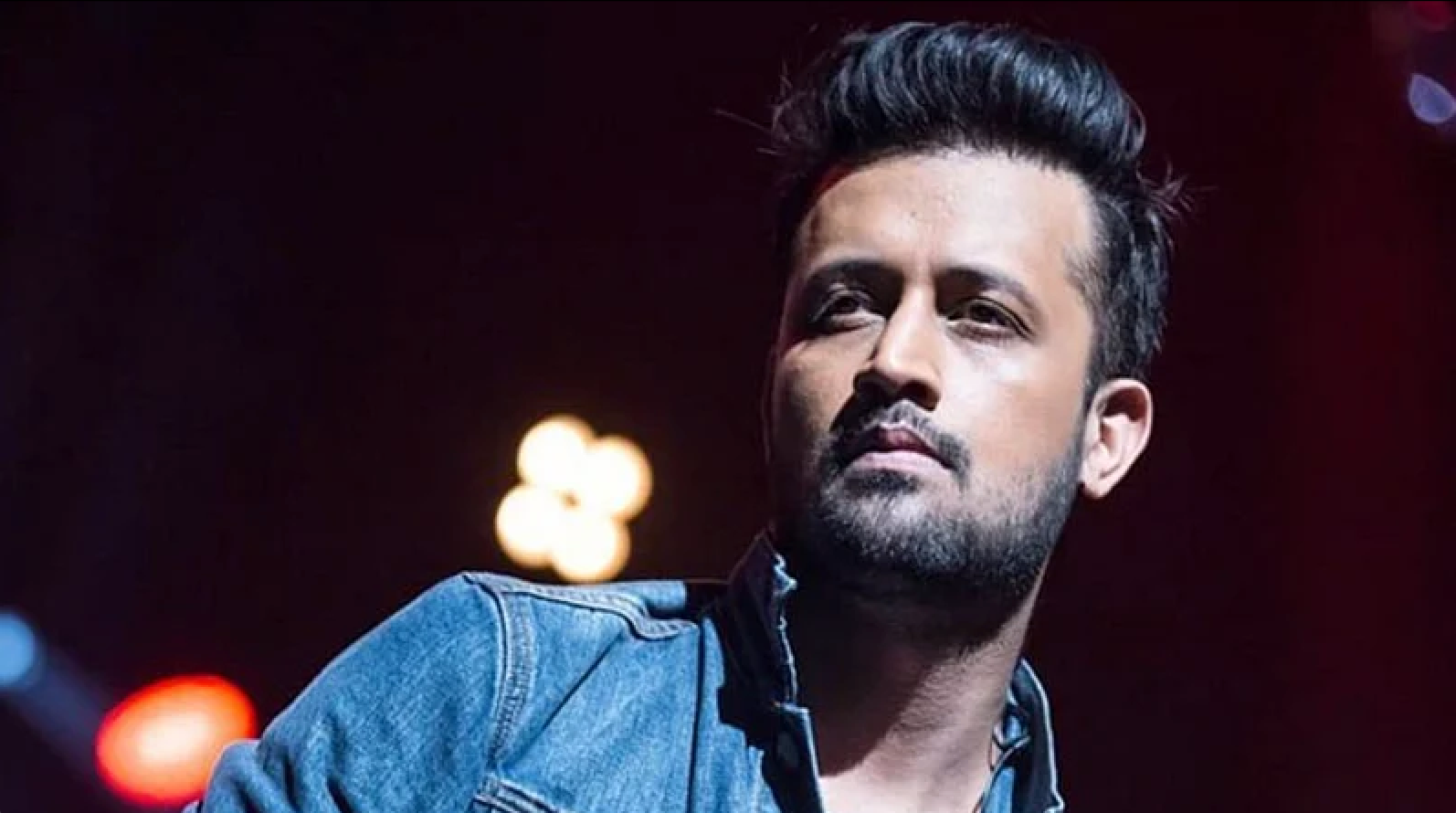
On Saturday evening, audiences across the country faced an unusual decision: spend the night celebrating the timeless music of Michael Jackson at Dubai’s Coca-Cola Arena or travel to Abu Dhabi to watch Pakistani singer Atif Aslam perform before a packed crowd at Etihad Arena.
Neither audience appeared to leave disappointed.
Instead, the simultaneous success of two major events highlighted how the UAE has matured into a destination capable of supporting multiple headline entertainment experiences on the same night—even during the peak of summer.
A Different Kind of Summer Weekend
Summer has traditionally been viewed as the quieter season for the Gulf’s entertainment industry. High temperatures often encouraged residents to travel abroad while international tours were concentrated in cooler months.
That pattern has evolved.
Modern indoor venues, year-round tourism, improved event infrastructure and a growing resident population have created demand that extends well beyond the traditional entertainment calendar.
Saturday’s concerts illustrated that shift.
Rather than competing for audiences, both events attracted distinct communities brought together by different musical tastes and cultural backgrounds.
One arena celebrated the enduring legacy of one of pop music’s biggest global icons. The other hosted one of South Asia’s most recognizable contemporary voices.
Together, they reflected the diversity of the UAE itself.
More Than Concerts
The significance of the evening extended beyond ticket sales.
Large live events increasingly serve as cultural gathering spaces where residents from different nationalities share common experiences despite diverse backgrounds.
Families attended together. Groups of friends documented performances on their phones. Long-time fans sang songs that have defined generations, while younger audiences discovered artists whose music continues to resonate decades after its release.
These shared moments have become an important part of the UAE’s evolving social landscape.
Unlike digital entertainment consumed individually, live performances continue to offer something technology cannot fully replicate—the collective energy of thousands of people experiencing the same performance in real time.
A Reflection of the UAE’s Diversity
The UAE’s entertainment calendar mirrors one of the country’s defining characteristics: its multicultural population.
On any given month, audiences can choose between Arabic artists, Bollywood performers, Pakistani musicians, international pop stars, K-pop groups, orchestral concerts, comedy shows and theatre productions.
This variety is driven not only by tourism but also by the country’s diverse communities, each supporting performances that reflect their own cultural identities while attracting audiences beyond those communities.
That diversity allows multiple events to succeed simultaneously rather than compete directly.
Building a Regional Entertainment Hub
Investment in world-class venues has played a significant role in this transformation.
Facilities such as Coca-Cola Arena in Dubai and Etihad Arena in Abu Dhabi have enabled the UAE to host international tours that previously focused on Europe, North America or parts of Asia.
The country’s strategic location also makes it an attractive stop for global touring schedules, connecting audiences from the Middle East, South Asia, Africa and Europe.
As international promoters increasingly include UAE cities on major tours, residents have gained greater access to global entertainment without travelling overseas.
Entertainment Beyond Tourism
Live events now contribute to more than the cultural calendar.
Concerts generate economic activity across hotels, restaurants, retail businesses, transportation services and tourism.
Visitors travelling specifically for performances often extend their stays, supporting local businesses beyond the event itself.
For residents, these experiences contribute to quality of life, reinforcing the UAE’s ambition to be not only a business destination but also a place where culture, leisure and entertainment continue throughout the year.
The Growing Importance of Shared Experiences
The popularity of live performances also reflects a broader trend.
As digital platforms increasingly dominate everyday communication, audiences continue to value experiences that bring people together physically.
Whether watching a tribute performance celebrating music history or attending a live concert by a contemporary artist, audiences remain willing to gather in large numbers for experiences that cannot be recreated through a screen.
That demand continues to support the UAE’s expanding entertainment industry.
A Sign of Cultural Confidence
The ability to host multiple successful headline events on the same evening represents more than operational capacity.
It signals growing confidence in the maturity of the country’s entertainment ecosystem.
Promoters no longer rely solely on winter tourism to attract audiences. Residents have demonstrated that demand exists throughout the year when compelling events are offered.
This evolution reflects years of investment in venues, logistics, hospitality and event management that have positioned Dubai and Abu Dhabi among the region’s leading destinations for live entertainment.
Looking Ahead
As the UAE continues expanding its cultural offerings, evenings like Saturday’s may become increasingly common rather than exceptional.
Global music tours, tribute productions, comedy festivals, sporting events and cultural performances are expected to remain central to the country’s tourism and lifestyle strategy.
For audiences, that means more choices.
For artists, it means access to one of the region’s fastest-growing live entertainment markets.
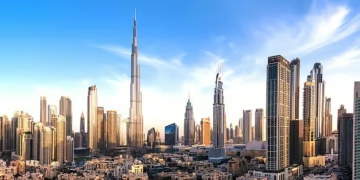
And for the UAE, it reinforces a broader transformation—from a destination known primarily for its skyline and infrastructure to one increasingly recognised for the experiences it creates.
On one summer night, two sold-out arenas in two different emirates demonstrated that the country’s cultural ambitions are no longer seasonal. They have become part of everyday life, reflecting an entertainment landscape that continues to grow in both scale and global relevance.