


































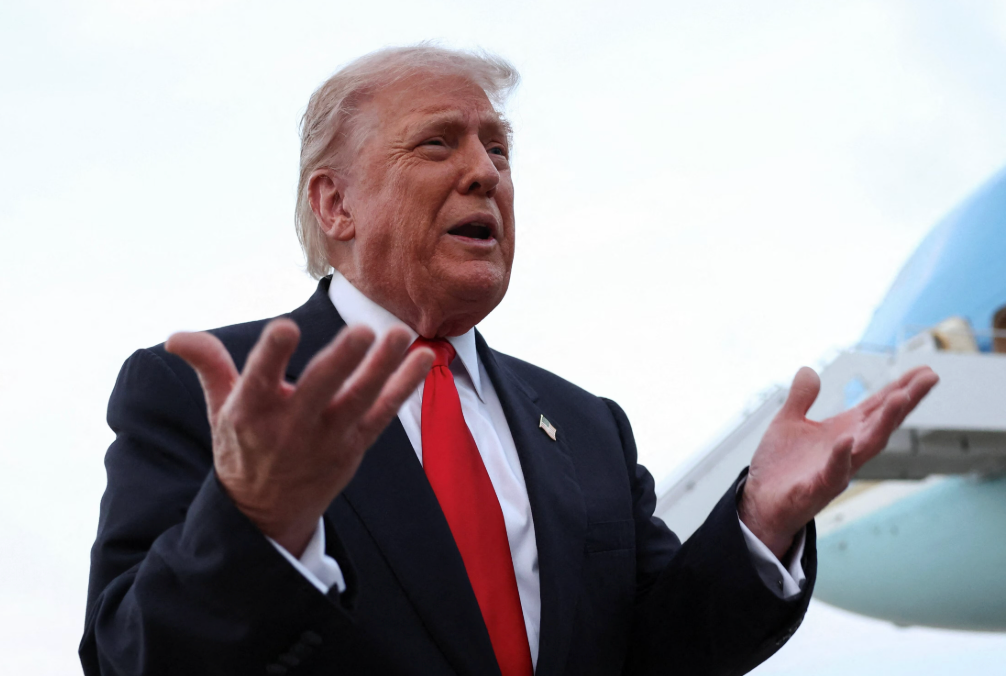
Washington: U.S. President Donald Trump has signed executive orders imposing 50% tariffs on a wide range of Canadian imports, marking a significant escalation in trade tensions between the two neighboring countries. The White House said the new duties will take effect 30 days from now.
The measures target several Canadian products, including wine, hockey sticks, cement, and other goods, with the administration accusing Canada of unfair trade practices and discriminatory treatment toward American exports.
Tariffs Target Canadian Trade Practices
According to the White House, the decision is intended to address what the administration describes as Canada’s unfavorable treatment of U.S. products, particularly in the alcohol, dairy, and automobile sectors.
The new tariffs, however, exclude energy products, potash, and goods already covered by existing sector-specific tariffs.
One of the most significant aspects of the announcement is that the duties will also apply to products traded under the United States-Mexico-Canada Agreement (USMCA), a move that could have broad implications for cross-border trade.
Trump Invokes Rarely Used Trade Law
To implement the new tariffs, President Trump relied on Section 338 of the Tariff Act of 1930, a legal provision that has rarely, if ever, been used for imposing tariffs.
Trade experts note that the provision has never been tested in modern trade disputes and could face legal challenges.
Scott Lincicome of the Cato Institute said the administration is relying on an untested statute, while former U.S. trade official Ryan Majerus suggested the move carries substantial litigation risk because the law has not previously been applied in this manner.
Canada Responds
Canadian Prime Minister Mark Carney criticized the decision, saying the United States has repeatedly taken unilateral trade actions that conflict with the USMCA.
Carney said Canada remains willing to continue negotiations with Washington and has proposed measures aimed at resolving ongoing trade disputes and modernizing the North American trade agreement.
He also defended Canada’s retaliatory actions, stating they were introduced in response to earlier U.S. tariffs.
Growing Pressure on USMCA
The latest announcement comes as negotiations over the future of the USMCA continue between the United States, Canada, and Mexico.
Unlike previous rounds of tariffs introduced since President Trump’s return to office, the new measures remove exemptions that had previously protected many goods traded under the agreement.
Trade analysts believe the administration may be using the tariffs to strengthen its negotiating position during ongoing discussions with Canada.
Industry Raises Concerns
Business groups have warned that the tariffs could trigger another round of retaliatory measures, increasing costs for companies and consumers on both sides of the border.
Chris Swonger, President of the Distilled Spirits Council of the United States, said the industry recognizes concerns surrounding Canada’s restrictions on U.S. alcohol products but warned that further escalation could hurt American hospitality businesses already facing economic challenges.
What Happens Next?
The tariffs are scheduled to take effect in 30 days, leaving time for negotiations between the two governments.
However, legal experts expect the policy could face court challenges due to its reliance on an untested section of U.S. trade law.
If implemented as announced, the new duties would represent one of the most significant changes to U.S.-Canada trade under the USMCA and could further increase uncertainty for businesses operating across North America.