




















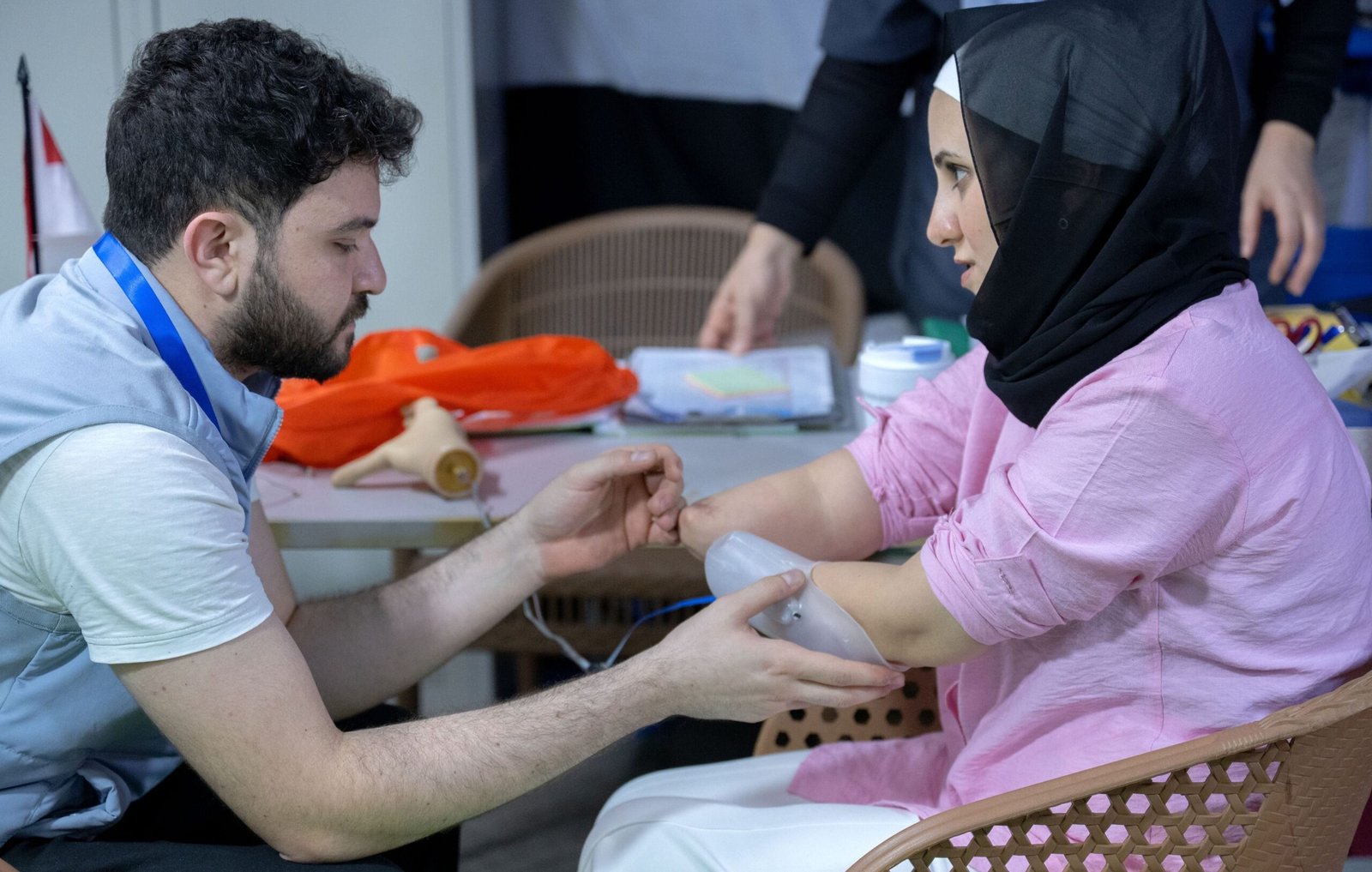
In a landmark demonstration of medical innovation and humanitarian aid, a UAE‑operated floating hospital docked off the coast of Gaza and provided prosthetic limbs to 51 Palestinian patients who had sustained amputations during recent conflict. The mobile medical facility, equipped with state‑of‑the‑art surgical suites and a team of orthopedic specialists, enabled rapid treatment in a region where permanent medical infrastructure remains strained.
The vessel, part of the UAE’s “Sea of Hope” initiative, was launched three months ago under a joint agreement between the United Arab Emirates Ministry of Health and the United Nations Office for the Coordination of Humanitarian Affairs (OCHA). According to officials, the ship’s modular design allows it to house up to 150 patients and can be redeployed to crisis zones worldwide.
Why it matters
Palestinian amputees face long‑term challenges beyond the immediate trauma. Without timely access to prosthetic devices, mobility, employment, and psychological recovery are severely hindered. By delivering custom‑tailored limbs on-site, the UAE project reduces the need for patients to travel to distant medical centers in the West Bank or abroad, cutting travel costs and improving recovery outcomes.
Beyond the humanitarian impact, the initiative signals the UAE’s expanding role as a medical hub in the Gulf region. The hospital’s success underscores Dubai’s capacity to mobilize advanced technology, international expertise, and strategic logistics in support of global crises. The project also enhances bilateral relations with Palestinian authorities, reinforcing the UAE’s commitment to regional stability and shared humanitarian values.
What’s next
UAE officials have announced plans to deepen the partnership with Palestinian medical institutions. The next phase will involve training local surgeons in prosthetic fitting and rehabilitation, ensuring that expertise remains on‑shore once the floating hospital moves on. Additionally, the UAE government is earmarking funds for a second fleet of mobile surgical units intended for deployment to conflict‑affected zones in the Levant and across Africa.
Meanwhile, the disaster response team will embark on a global briefing tour to showcase the vessel’s capabilities to potential donors and partners. The project is also set to integrate cutting‑edge tele‑medicine platforms, allowing remote consultations with specialists in Qatar, Saudi Arabia, and the United Kingdom.
Additional reporting by The Dubai Herald newsroom.