












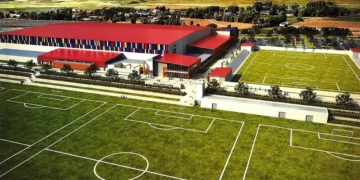








Amid continuing tensions in the Gaza Strip, Palestinians remain sharply divided over a U.N.-backed plan to build a “humanitarian city” in the Rafah region. The project would repurpose existing infrastructure and welcome roughly 250,000 displaced residents, yet several local leaders argue it could create a permanent demographic shift and reinforce Egyptian and Israeli security concerns.
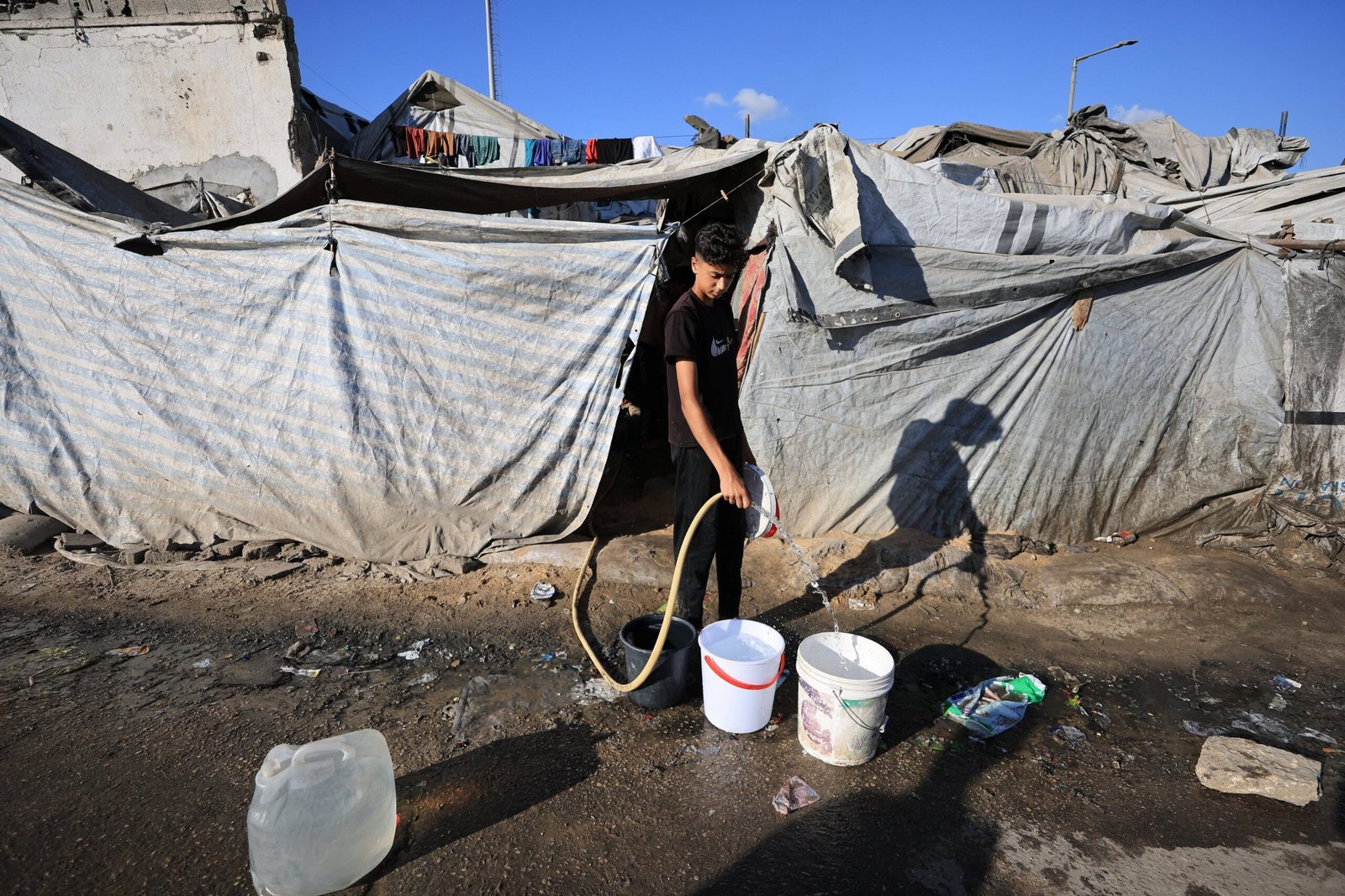
Rafah, a 60‑kilometer border town that lies just above the Egypt–Gaza threshold, was shelled heavily during the latest conflict. International aid agencies note that the city suffered a collapse of essential services, leaving an estimated 400,000 people without shelter or electricity. The proposed plan, drafted in late May by the United Nations Relief and Works Agency (UNRWA) and supported by the European Union, envisages a model of mixed-use development: emergency housing, schools, water treatment facilities, and employment hubs. Funders would rely on a combination of private‑sector investment, UAE‑led philanthropic contributions, and UN solidarity funds.
Supporters highlight the urgent need for a safe haven that could prevent further strife in southern Gaza. They point to the likelihood that refugees will soon begin to drain from other parts of the Strip, potentially destabilising Gaza City’s limited resources. Critics, many from the Al‑Nour and Hamas‑aligned factions, alarm that a new “city” would provide the logistical advantage to Israel and Egypt to contain and monitor population movements, effectively legitimising a long‑term presence beyond the agreed‑upon ceasefire lines.
Why it Matters
For Dubai and the wider Gulf region, the decision on Rafah bears significant geopolitical weight. The UAE has already pledged $120 million to Gaza’s rebuilding efforts and seeks to balance a humanitarian image with strategic neutrality. A fully‑operational Rafah city could become a focal point for Gulf‑led reconstruction funds and a model for post‑conflict urban renewal, attracting investment, but it could also pressure Gulf states to pick a side in the Palestinian‑Israeli debate.
Moreover, the initiative could reshape diaspora corridors. A stable Rafah may provide an anchor for Palestinians wishing to work abroad, renewal of long‑term residency agreements, and easier access for Gulf‑based expatriates to their families. Conversely, a refusal could widen the dead‑end scenario for many displaced residents, effectively leaving the region in limbo and raising the profile of cross‑border smuggling operations.
What’s Next
The U.N. Security Council is set to debate the project at its next weekly meeting on August 4. If endorsed, an intergovernmental commission, chaired by a UAE permanent representative, will draft a security framework to mitigate fears of an extraneous military presence. Local stakeholders will convene in Riyadh on August 15 for a consultative forum, while Egyptian authorities will pace their stance, mindful of the Rafah dynamic on its southern border.
The long‑term viability of the humanitarian city will hinge on the rapid mobilisation of funding, the transparency of its governance model, and consensus among Gaza’s political factions. The outcome will either set a precedent for future humanitarian settlements in the region or perpetuate the debate over how best to address contemporary humanitarian crises without entrenching new geopolitical fault lines.
Additional reporting by The Dubai Herald newsroom.